
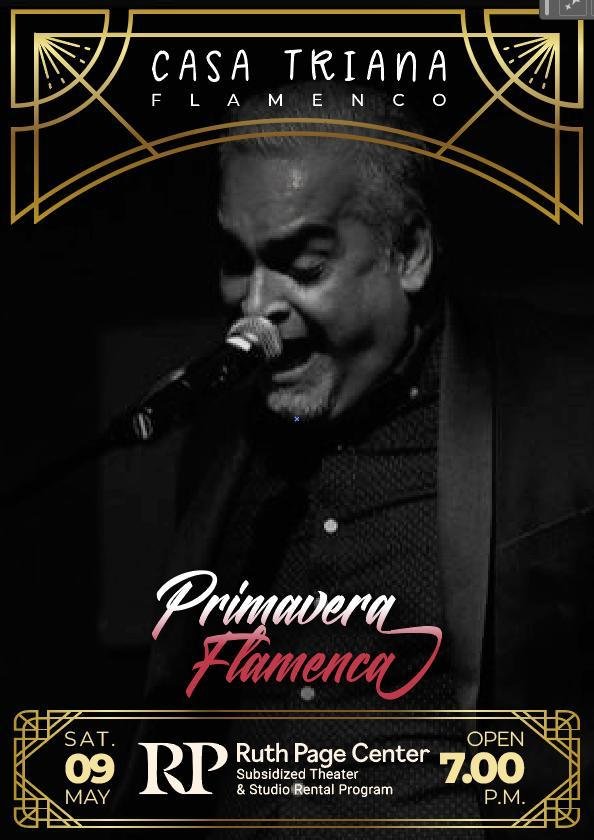
TABLAO EN CASA: PRIMAVERA FLAMENCA
MAY 9, 2026
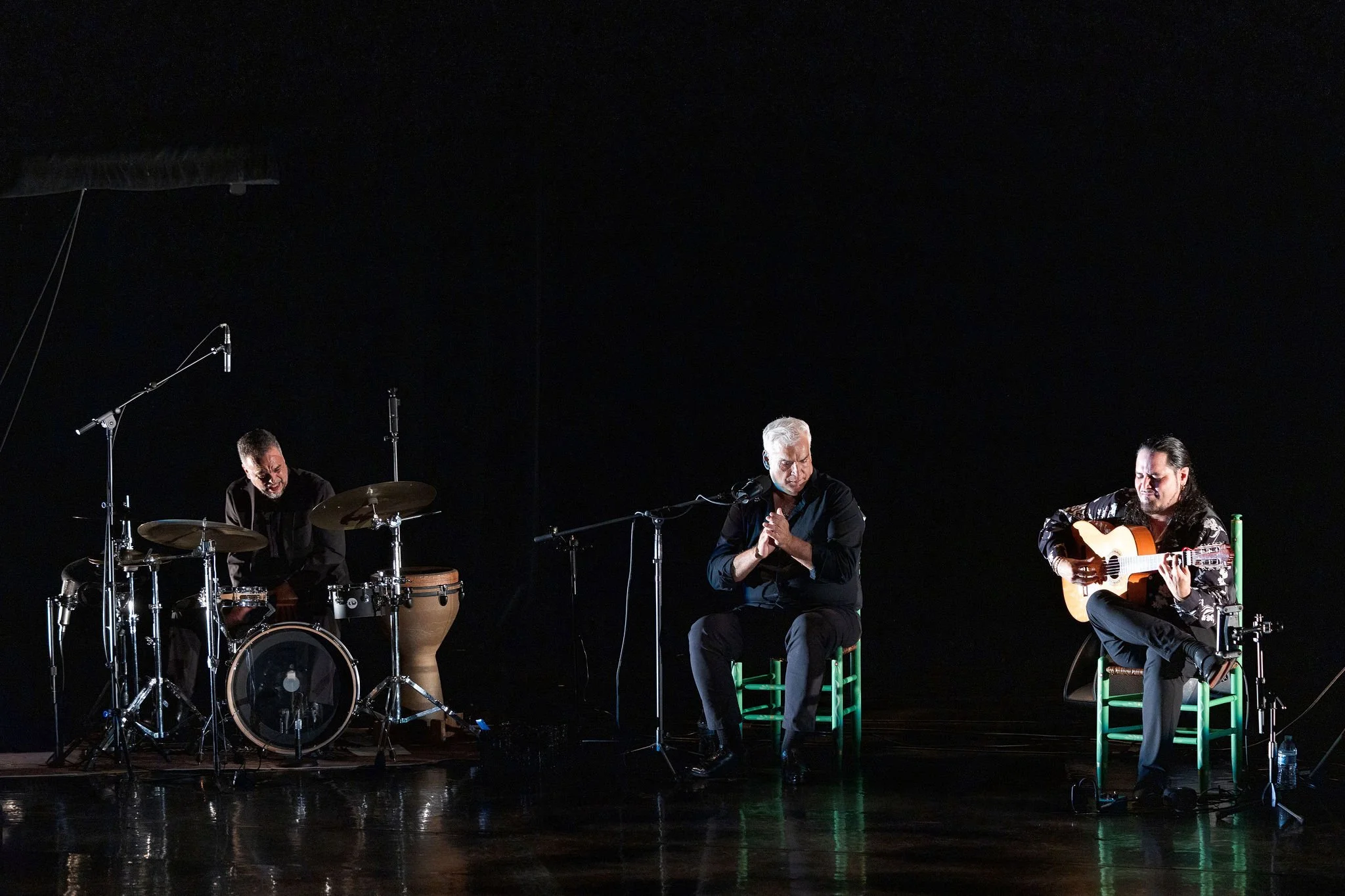
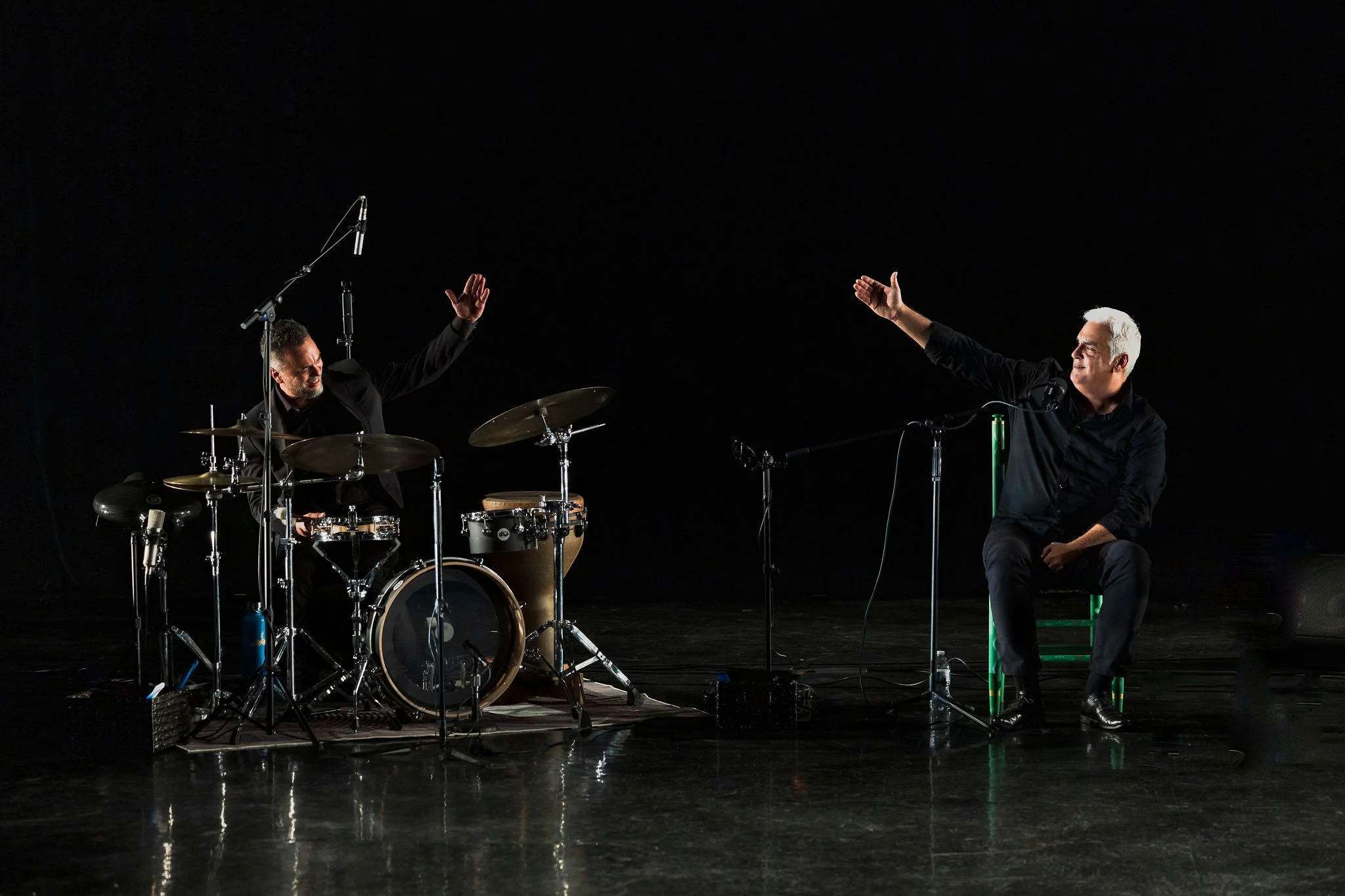
Meet the Musicians
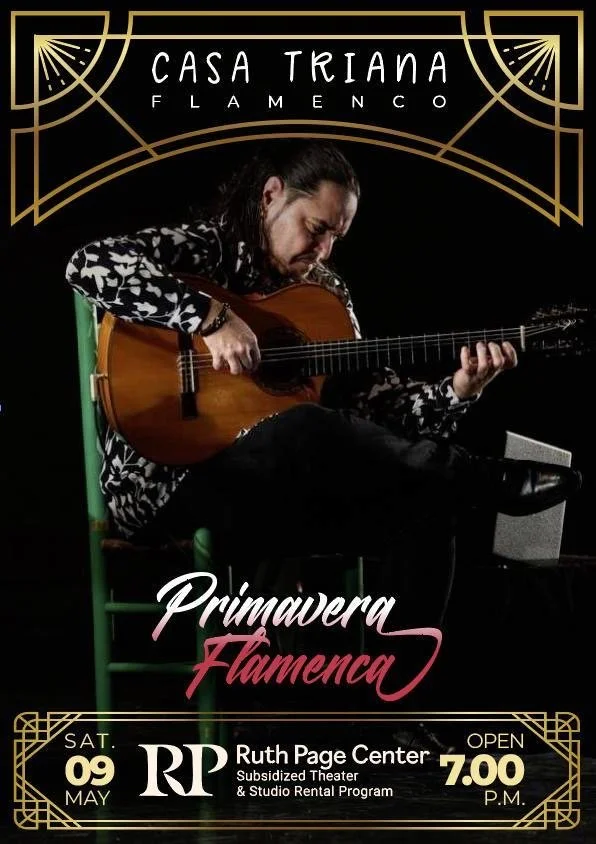
Jose Cortes
(Singer)
Andres Vadin
(Guitarrist)
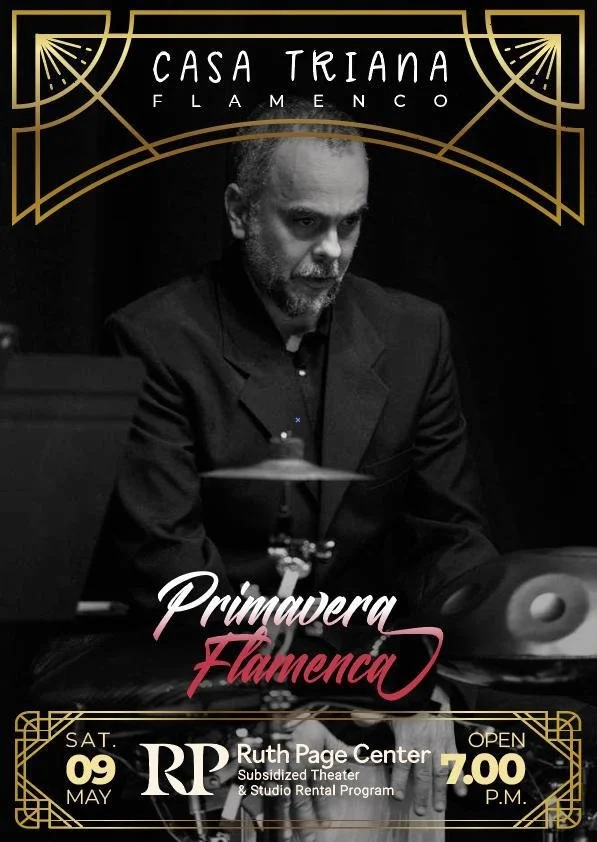
Javier Saume-Mazzei
(Percussionist)
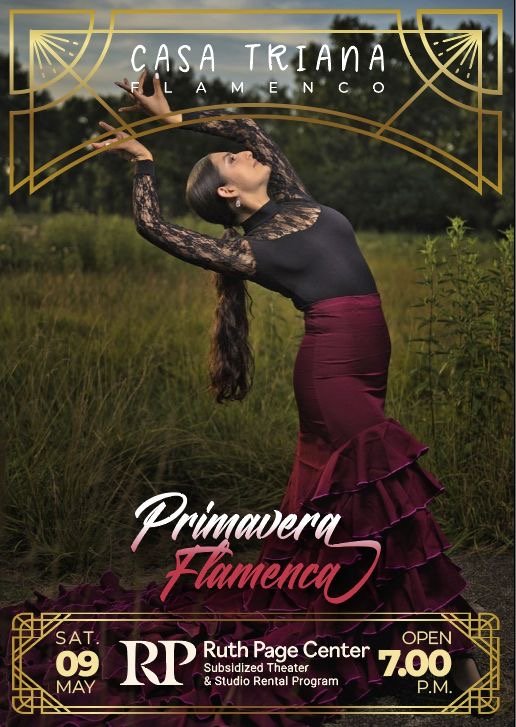
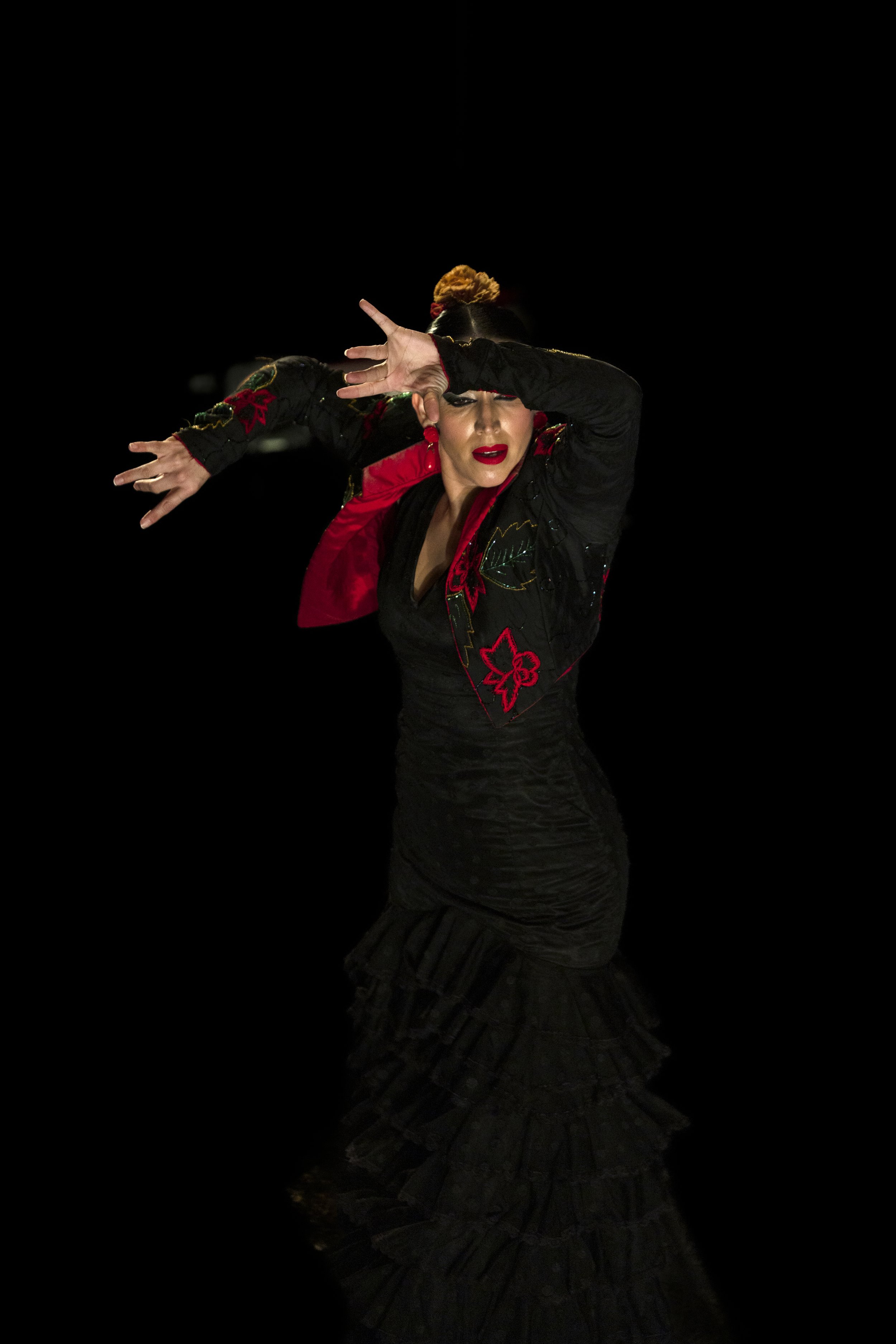
Meet the Dancers
Abigail Mosquera
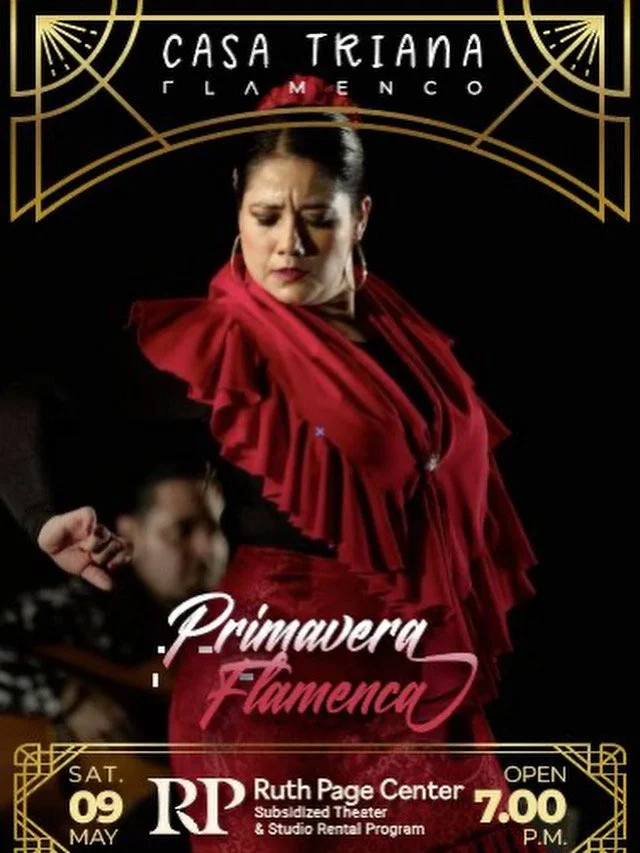
Alejandra García
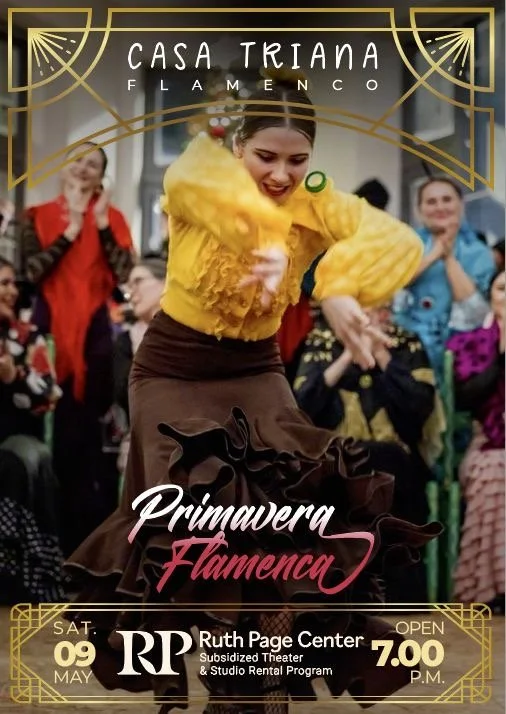
Bella Koscal
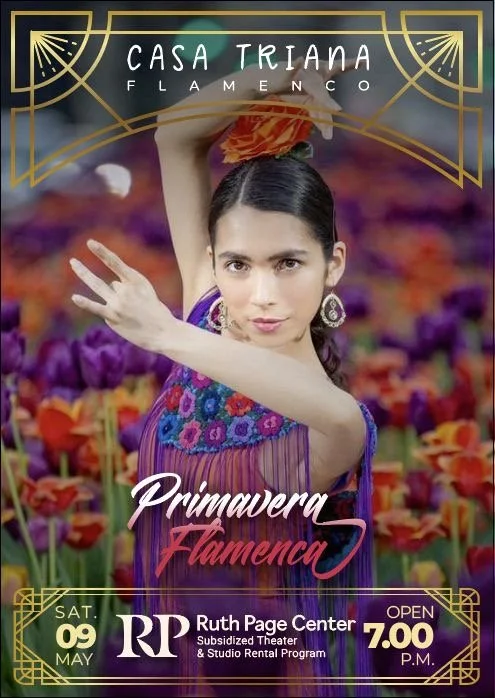
Catherine Beza
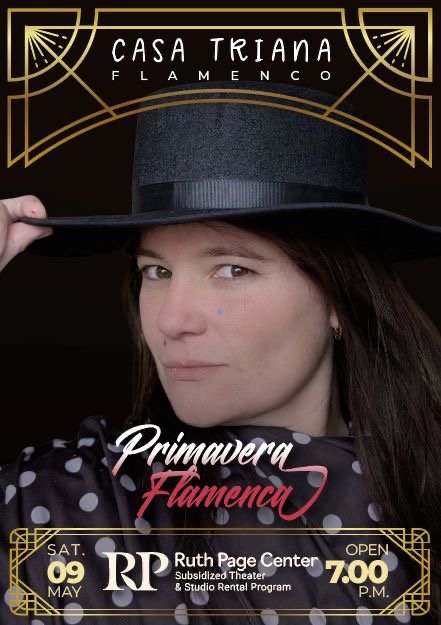
Alicia Acosta
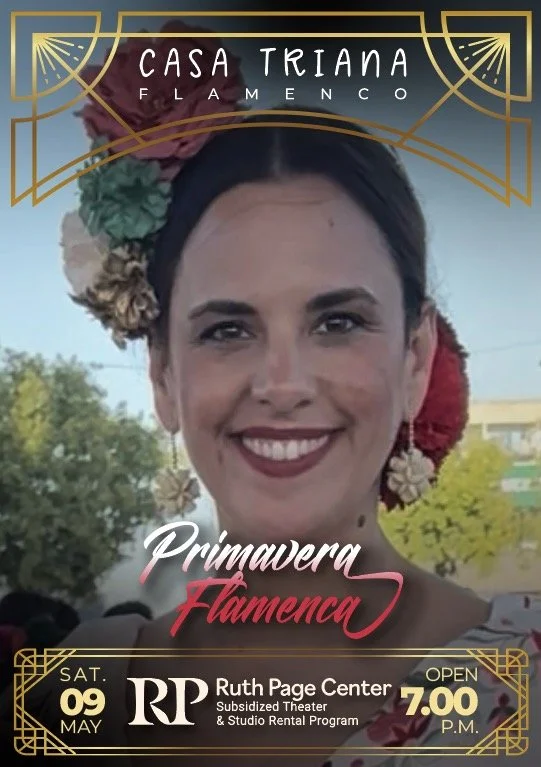
Ana Lebron
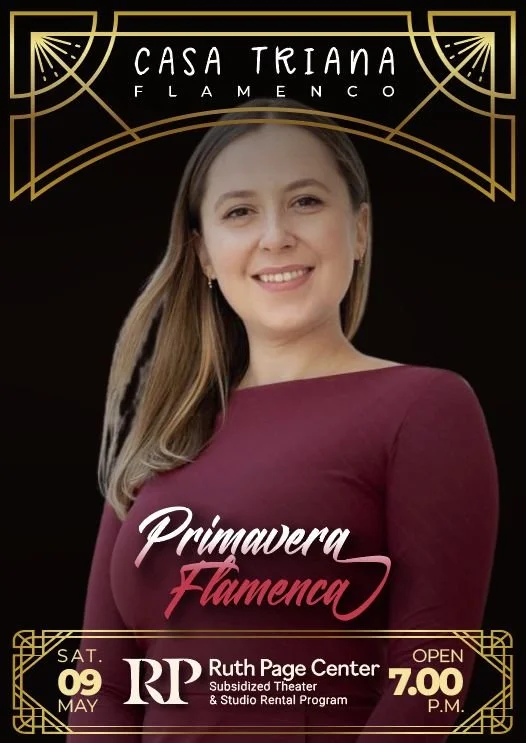
Daria Shor
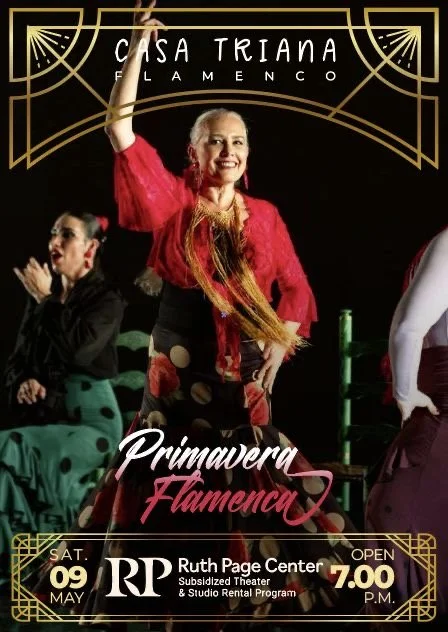
Cecilia Dávila
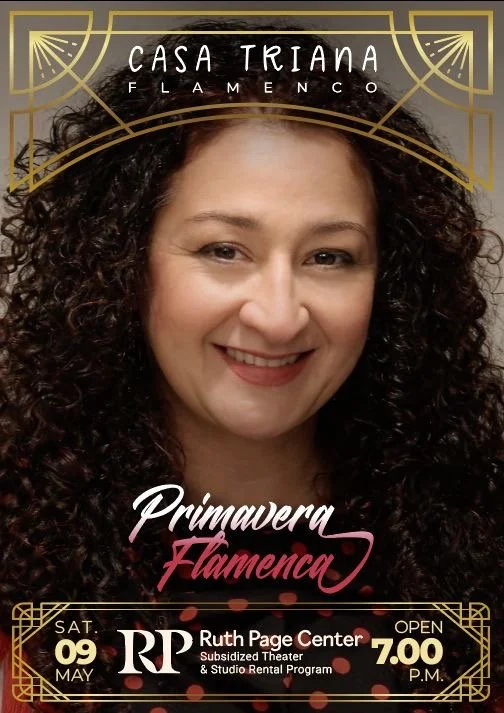
Daysi de la Paz
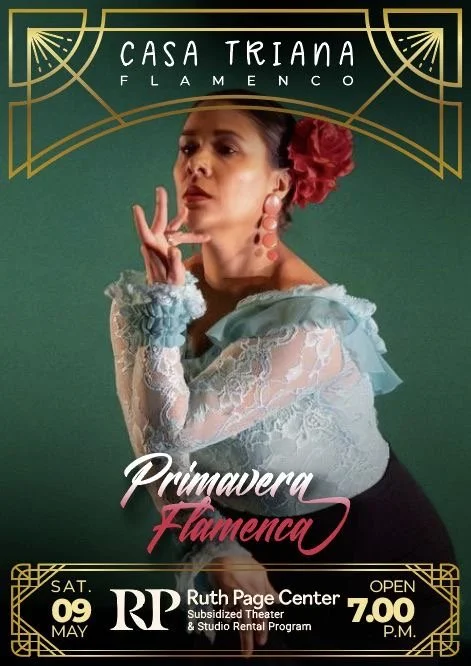
Erica Eichleay
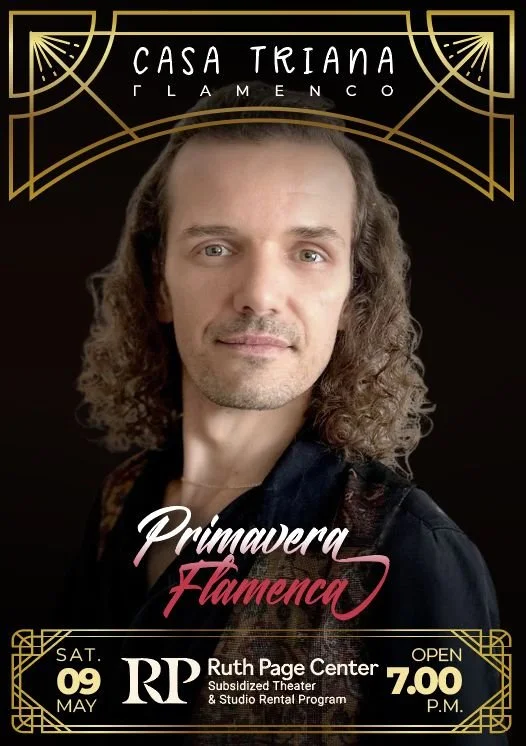
Kamil Szydlo
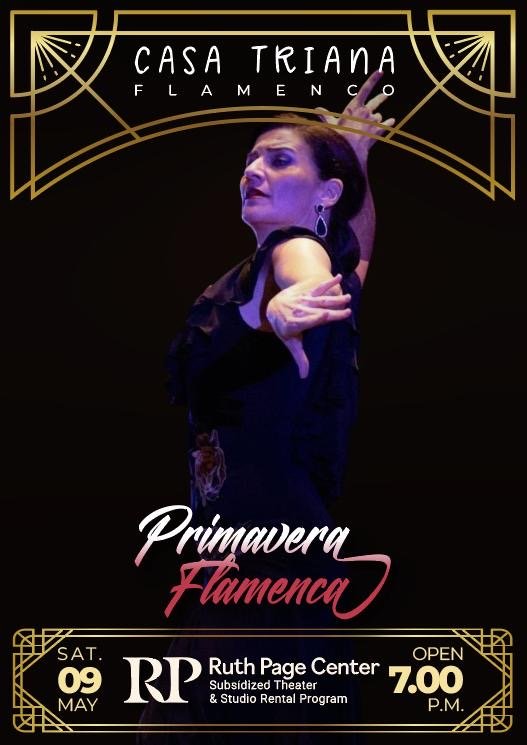
Karla Tennies Koziura
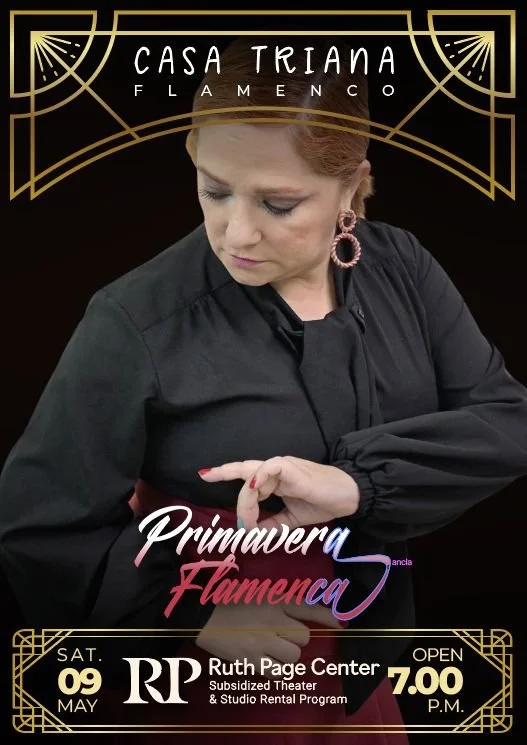
Jennifer Molina
Jocelyn Leving
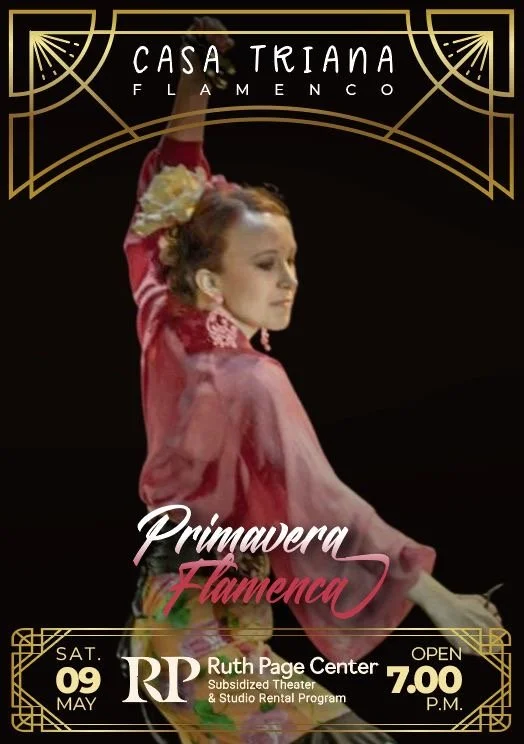
Krystyna Nazaruk
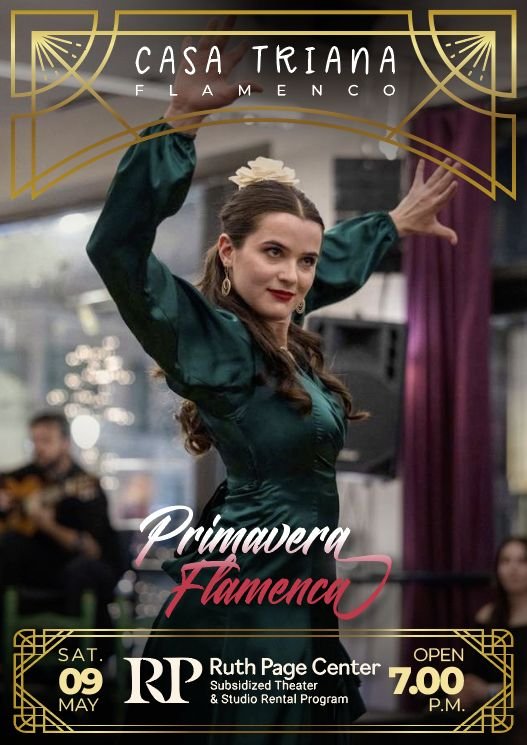
Katrina Bartels
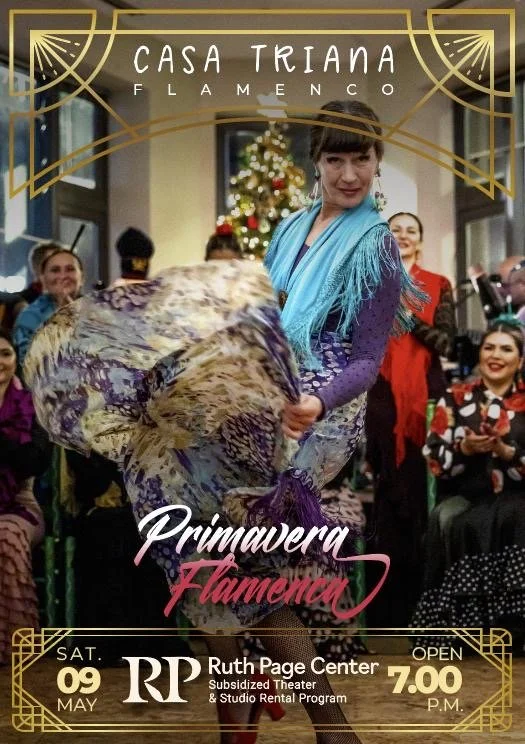
Lina Bulovaite
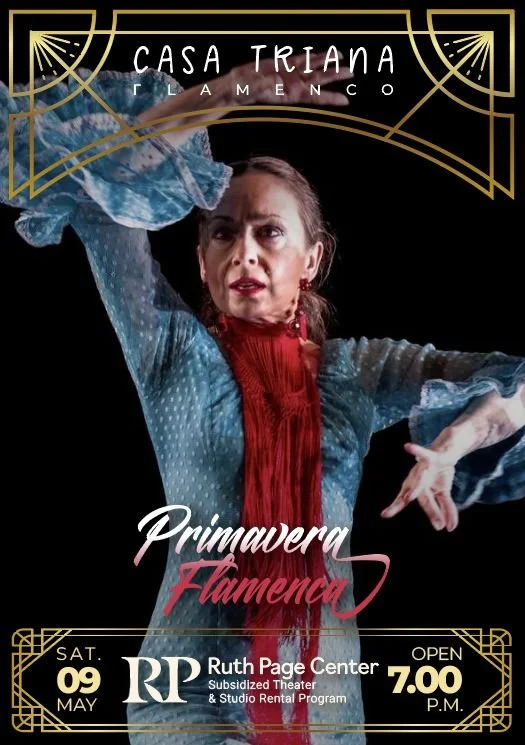
Maida Nunez
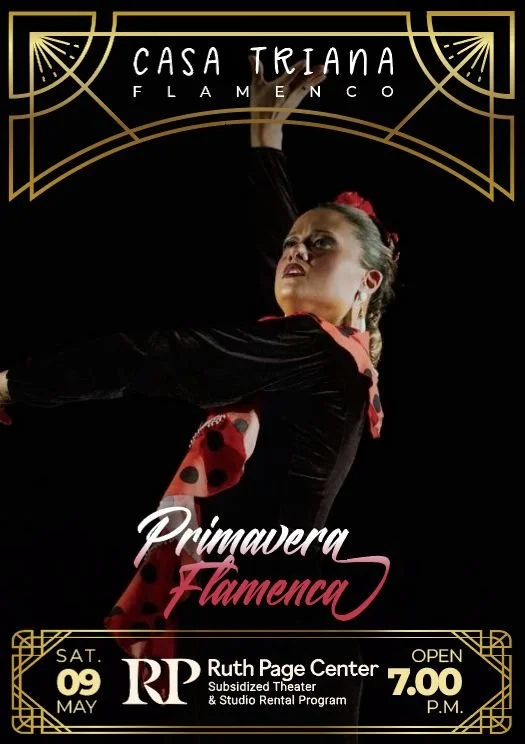
Nalanie Molina
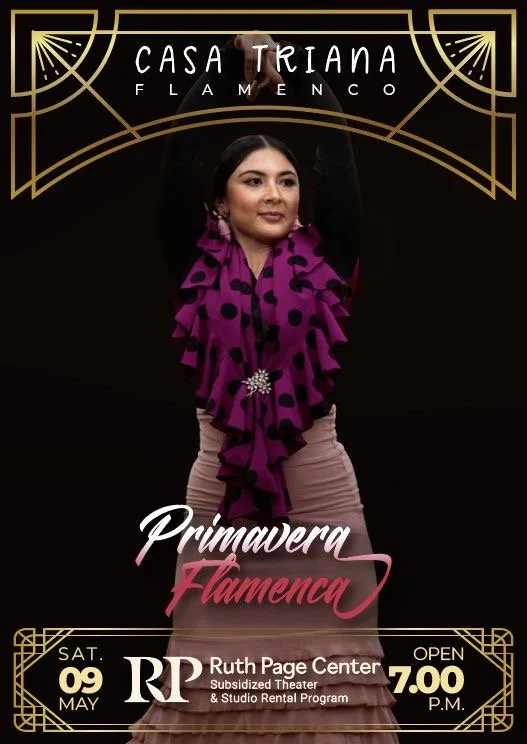
Paola Argudo
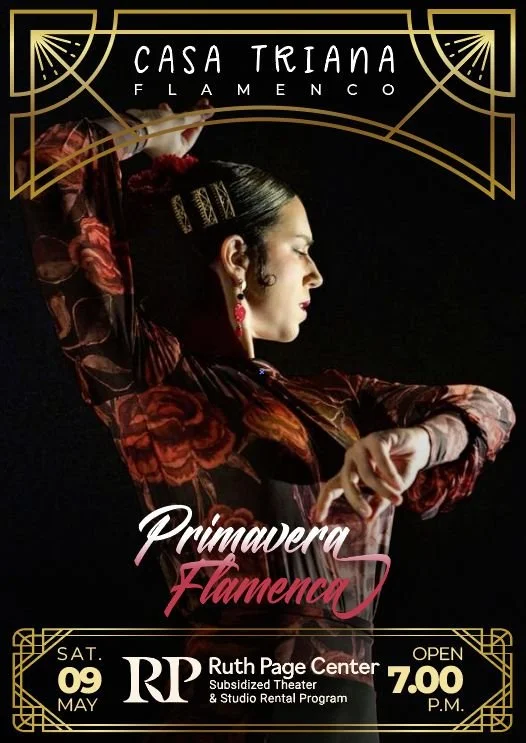
María Luján
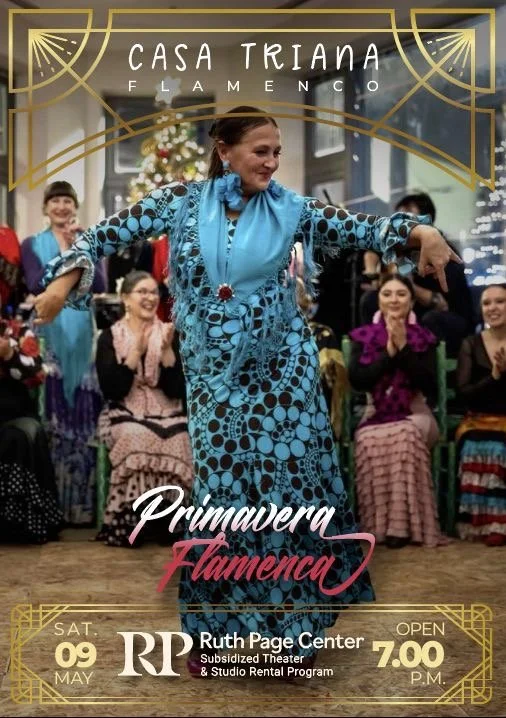
Marzanna Rutkowska
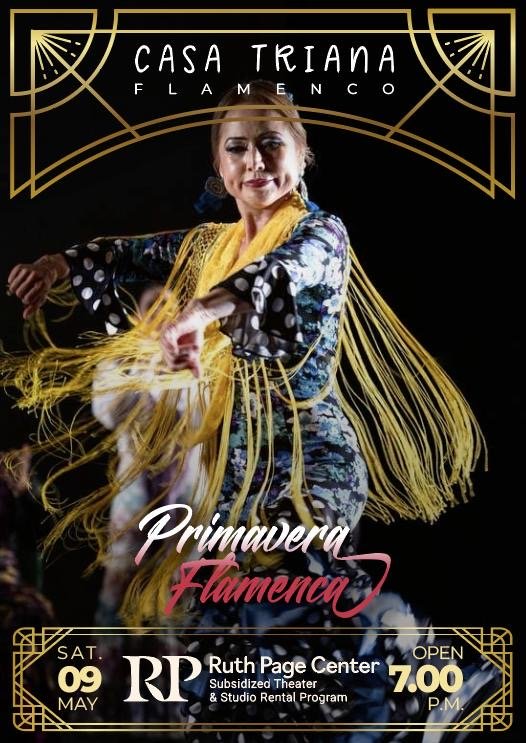
Rie Katayama
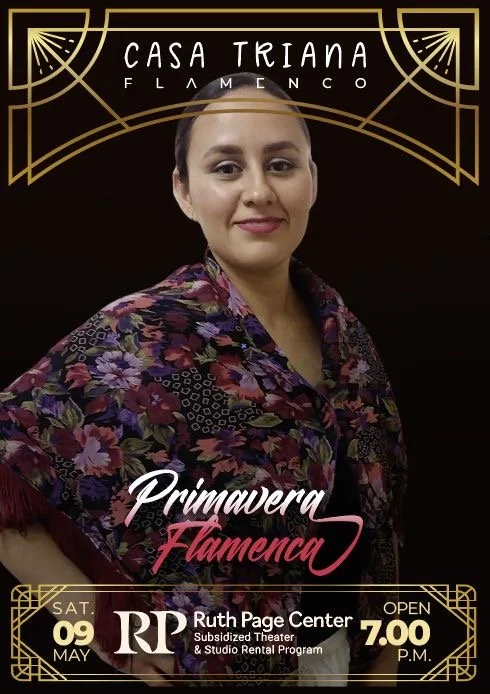
Raquel Chavez
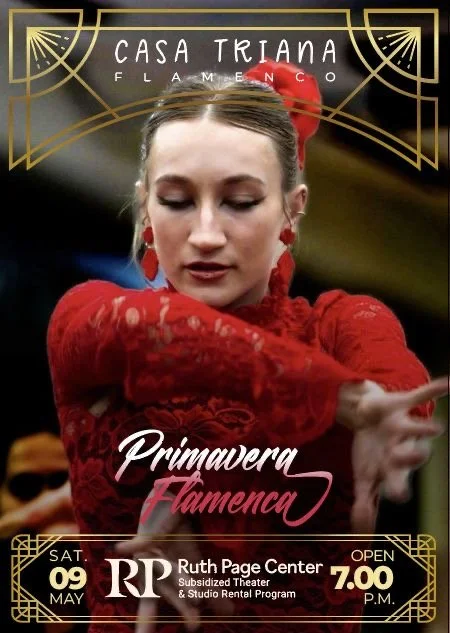
Salomeja Vitkauskas
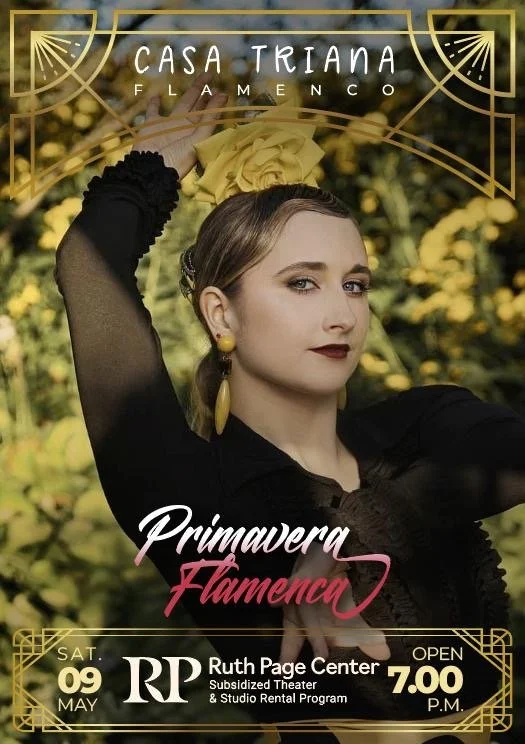
Samantha Micklewright
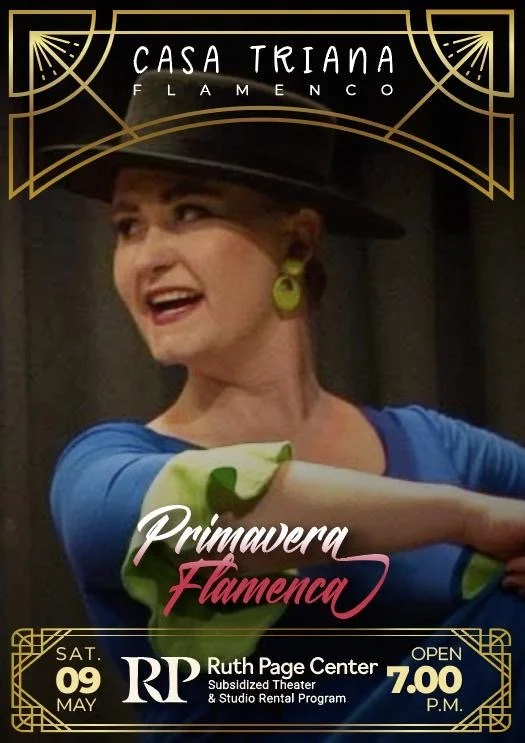
SarahAnn Sutter
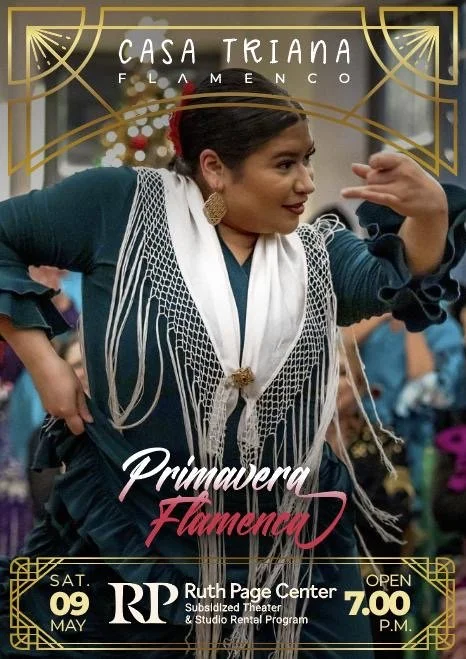
Sofia Vidaurre
Understanding Tonight’s Program
FARRUCA
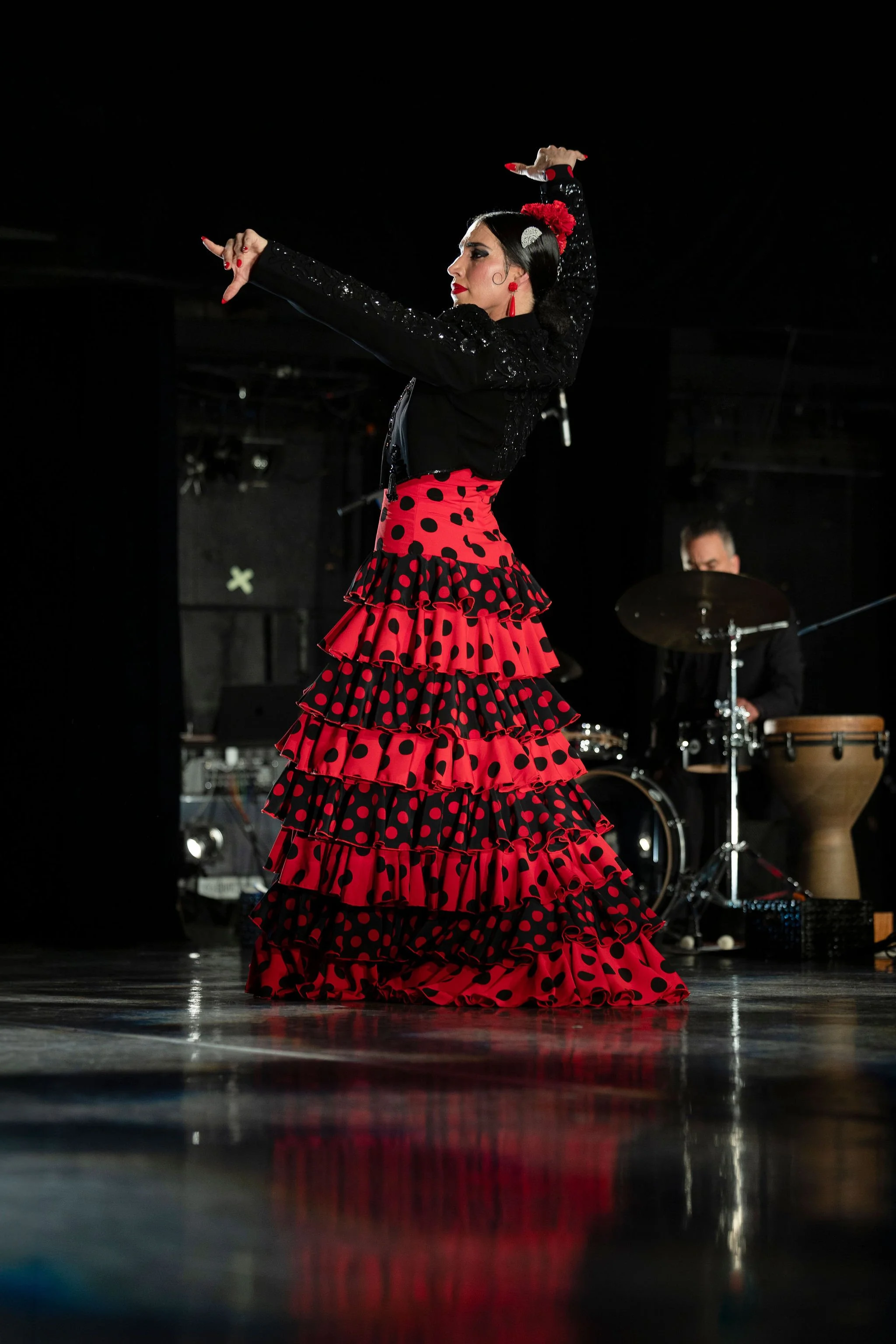
Strong, grounded, and elegant, a palo known for its precision, restraint, and rhythmic intensity.
Compás / Rhythm: 4-beat rhythm with a steady, driving pulse.
Region / Origin: Adapted into flamenco from northern Spanish folk traditions; developed primarily in Andalusia.
The Farruca became one of the most iconic flamenco forms of the early twentieth century, traditionally associated with a sober and powerful style of dance.
Unlike many festive palos, the Farruca emphasizes control, musicality, and dramatic tension through clean footwork, strong posture, and intentional movement.
Its character is often introspective and commanding, allowing the dancer to explore both rhythmic precision and emotional depth while maintaining an atmosphere of contained intensity.
Choreographer: Claudia Pizarro
Musicians: Javier Saume-Mazzei, José Cortés, Andrés Vadin
SEGUIRIYAS
Intense, solemn, deeply emotional — among the most serious of flamenco palos.
Compás / Rhythm: 12-beat cycle with distinctive accents (often felt on beats 3, 6, 8, 10, 12).
Region / Origin: Andalusia — especially Jerez and Cádiz.
The Seguiriya is often described as the quintessential cante jondo (deep song) of flamenco. Its mood is grave and expressive, singing of suffering, death, and longing.
Historically, it was sung a capella (“a palo seco”) or with minimal accompaniment, though today it may include guitar.
In dance, it calls for dignity, pause, and striking stillness interwoven with sharp accents—legs, feet, and upper-body work that reflect internal intensity rather than flamboyant display.
Dancer: Claudia Pizarro
Choreographer: Claudia Pizarro
Musicians: Javier Saume-Mazzei, José Cortés, Andrés Vadin
ZAMBRA
Sensual, mysterious, and deeply rooted in Andalusian Gitano tradition, a palo known for its expressive movement and Moorish influence.
Compás / Rhythm: Free and flexible rhythmic structure, often flowing between measured and rubato phrasing.
Region / Origin: Granada, Andalusia, closely associated with the Sacromonte Gitano communities.
The Zambra traces its roots to the cultural blending of Andalusian, Romani, and Moorish traditions in southern Spain. Historically associated with Gitano wedding celebrations in Granada, it has an intimate, evocative atmosphere.
Its movement quality differs from more percussive flamenco forms, emphasizing fluid arms, expressive torso work, and sustained emotional presence over virtuosic footwork.
The Zambra invites the audience into a world of ritual, passion, and storytelling, where music and dance unfold with haunting, cinematic quality.
Choreographer: Claudia Pizarro
Musicians: Javier Saume-Mazzei, José Cortés, Andrés Vadin
CARACOLES
Elegant, festive, and theatrical, a palo celebrated for its bright energy and refined character.
Compás / Rhythm: 12-beat cycle shared with the cantiñas family, with lively accents and buoyant phrasing.
Region / Origin: Cádiz and Madrid, Andalusia.
The Caracoles emerged during the nineteenth century and became especially popular in the cafés cantantes of Madrid. Though rooted in the festive traditions of Cádiz, it developed a more stylized and theatrical quality over time, often associated with sophistication and stage presence.
Musically, it is known for its uplifting melodies and dynamic shifts, while the dance combines graceful upper-body movement, intricate footwork, and playful interactions with the music.
The Caracoles embodies celebration and elegance, balancing technical precision with a spirited and joyful atmosphere.
Choreographer: Claudia Pizarro
Musicians: Javier Saume-Mazzei, José Cortés, Andrés Vadin
JALEOS EXTREMEÑOS
Festive, vibrant, and playful, a palo filled with rhythmic vitality and communal spirit.
Compás / Rhythm: 12-beat cycle closely related to the bulerías family, often performed with lively and syncopated accents.
Region / Origin: Extremadura, western Spain.
The Jaleos Extremeños developed in the Extremadura region and reflect the strong cultural exchange between Andalusian flamenco traditions and the folk music of western Spain.
Known for its celebratory character, this palo invites spontaneity, interaction, and rhythmic dialogue between dancers and musicians. Its music is energetic and spirited, often encouraging improvisation and expressive communication through footwork, palmas, and jaleo.
In dance, the Jaleos combines agility, humor, and theatrical flair, creating an atmosphere of joy and shared celebration that captures the social essence of flamenco.
Choreographer: Claudia Pizarro
Musicians: Javier Saume-Mazzei, José Cortés, Andrés Vadin
TARANTO
Earthy, haunting, and powerful, a palo shaped by the mining traditions of southern Spain.
Compás / Rhythm: Free-form cante often adapted into a steady 4-beat pulse for dance.
Region / Origin: Andalucía.
The Tarantos emerged from the mining communities of Almería and belongs to the family of cantes mineros, or mining songs. Its melodies carry a deep emotional weight, reflecting themes of labor, hardship, solitude, and resilience.
Originally sung without strict meter, the Tarantos evolved into a dance, incorporating a grounded rhythmic structure while preserving its raw and expressive character.
The dance is often intense and introspective, emphasizing strength, dramatic pauses, and a weighty quality of movement. Through its powerful musical atmosphere and emotional depth, the Tarantos evokes the harsh landscapes and human experiences that shaped its origins.
Dancer: Claudia Pizarro
Choreographer: Claudia Pizarro
Musicians: Javier Saume-Mazzei, José Cortés, Andrés Vadin
SEVILLANAS
Festive, folkloric, and communal.
Compás / Rhythm: 3/4 rhythm; danced in four structured sections.
Region / Origin: Seville and Huelva, Andalusia.
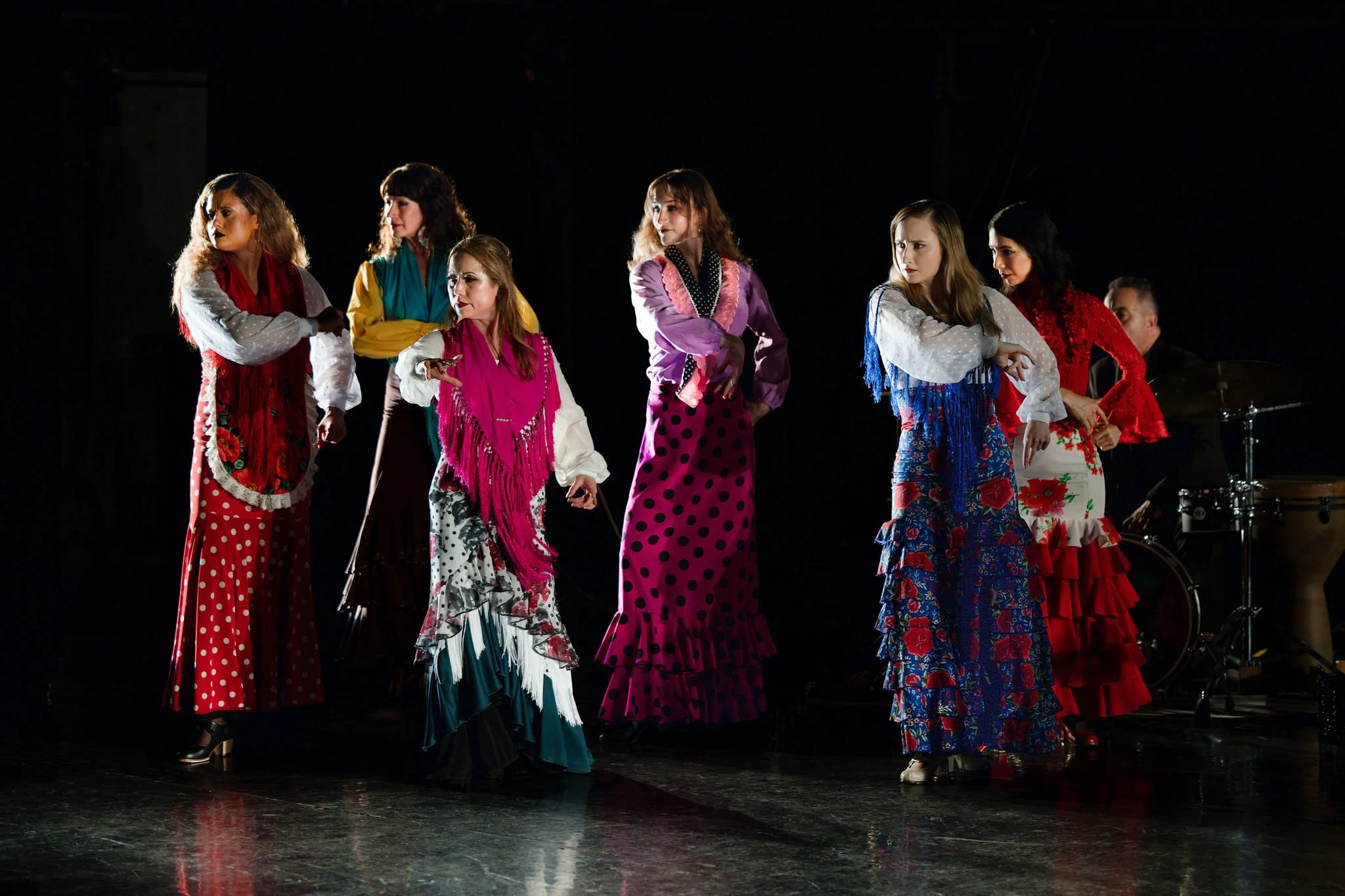
Sevillanas are among Spain’s best-known dances, performed in fairs, festivals, and social gatherings.
Rooted in Andalusian folk tradition, they blend joy, rhythm, and storytelling through graceful choreography.
Though often danced in pairs, Sevillanas are accessible to everyone and symbolize community and celebration.
In flamenco shows, they offer a moment of connection between performers and audience — a reminder that flamenco lives both on stage and in everyday life.
Choreographer: Traditional
Musicians: Javier Saume-Mazzei, Jose Cortes, Andrés Vadin
BULERÍAS - FIN DE FIESTA
Joyous, spontaneous, and exuberant.
Compás / Rhythm: 12-beat rhythm at a fast tempo; accents commonly felt on 12, 3, 6, 8, 10.
Region / Origin: Jerez de la Frontera, Andalusia.
Bulerías are flamenco’s ultimate expression of celebration and improvisation.
Traditionally used as the Fin de Fiesta (end of the show), it invites all artists — singers, guitarists, dancers — to join in.
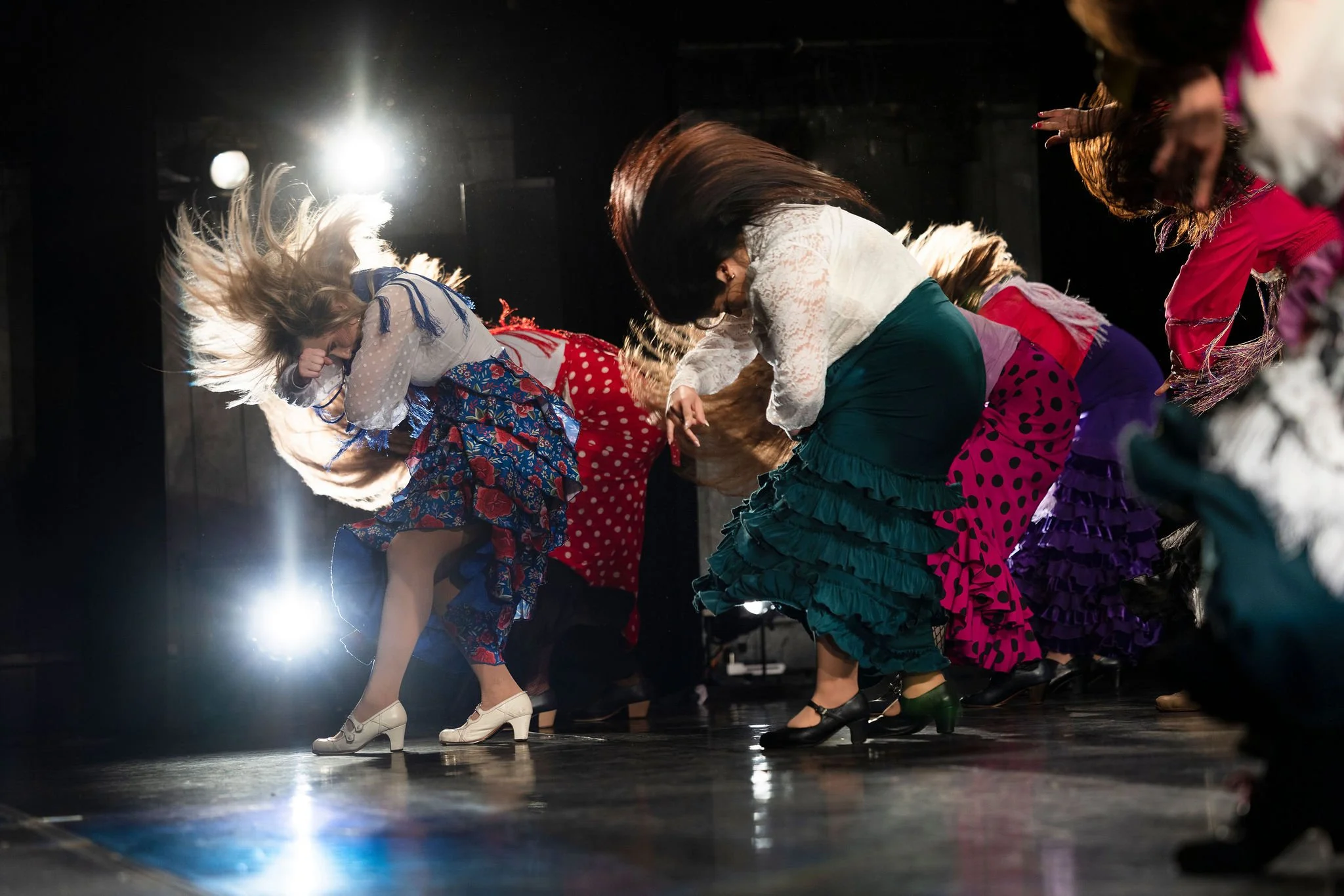
Each performer takes a turn (patá por bulerías), improvising steps or verses while the group supports with palmas (handclapping) and jaleos (encouragements).
The result is spontaneous, rhythmic, and alive — a joyful conversation between rhythm, art, and community.
Ending the night with Bulerías brings the essence of flamenco full circle: freedom, passion, and shared energy.