
Welcome to Tablao en Casa
Flamenco is composed of many palos — musical and dance forms, each with its own unique rhythm, mood, and story.
Here, you’ll find a brief introduction to the styles featured in our program, along with the artists and creative team who bring them to life.
The Musicians
-

Javier Saume-Mazzei
PERCUSSION & ARTISTIC DIRECTOR
-
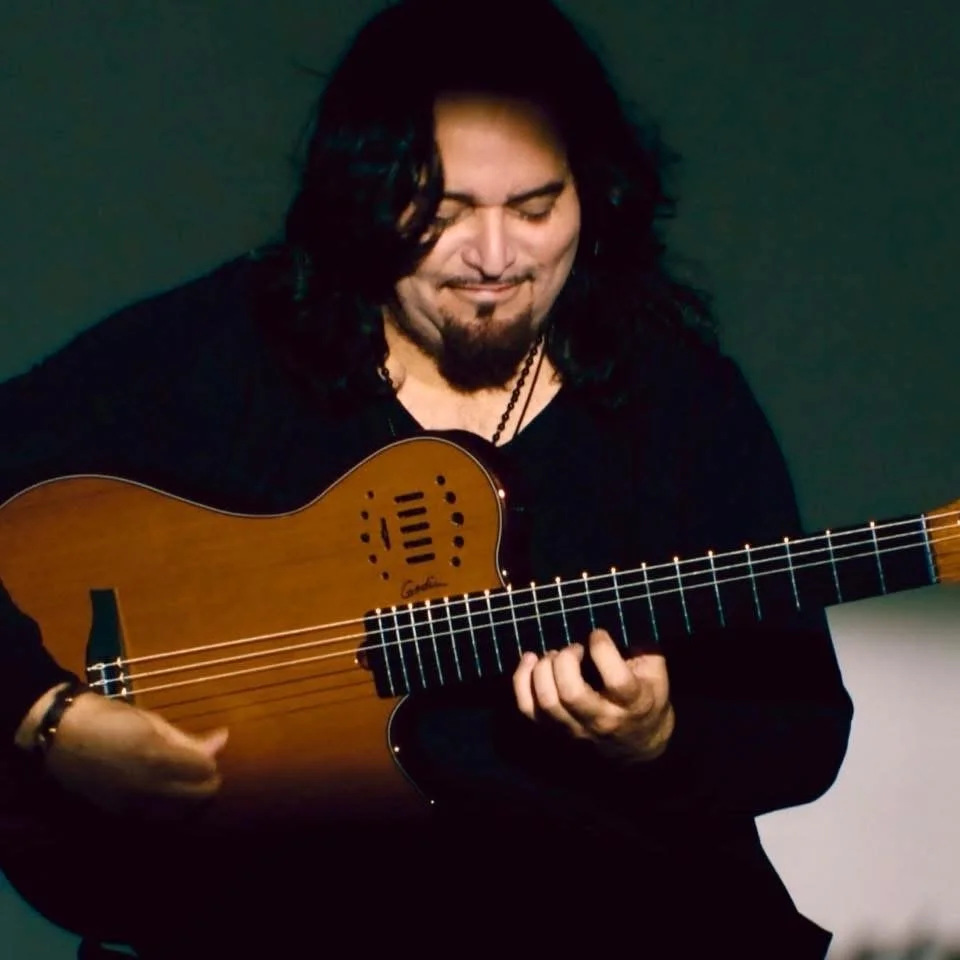
Andrés Vadin
GUITARRIST
-

Olivia Rojas
SINGER
The Dancers
-

Claudia Pizarro
ARTISTIC DIRECTOR & DANCER
-
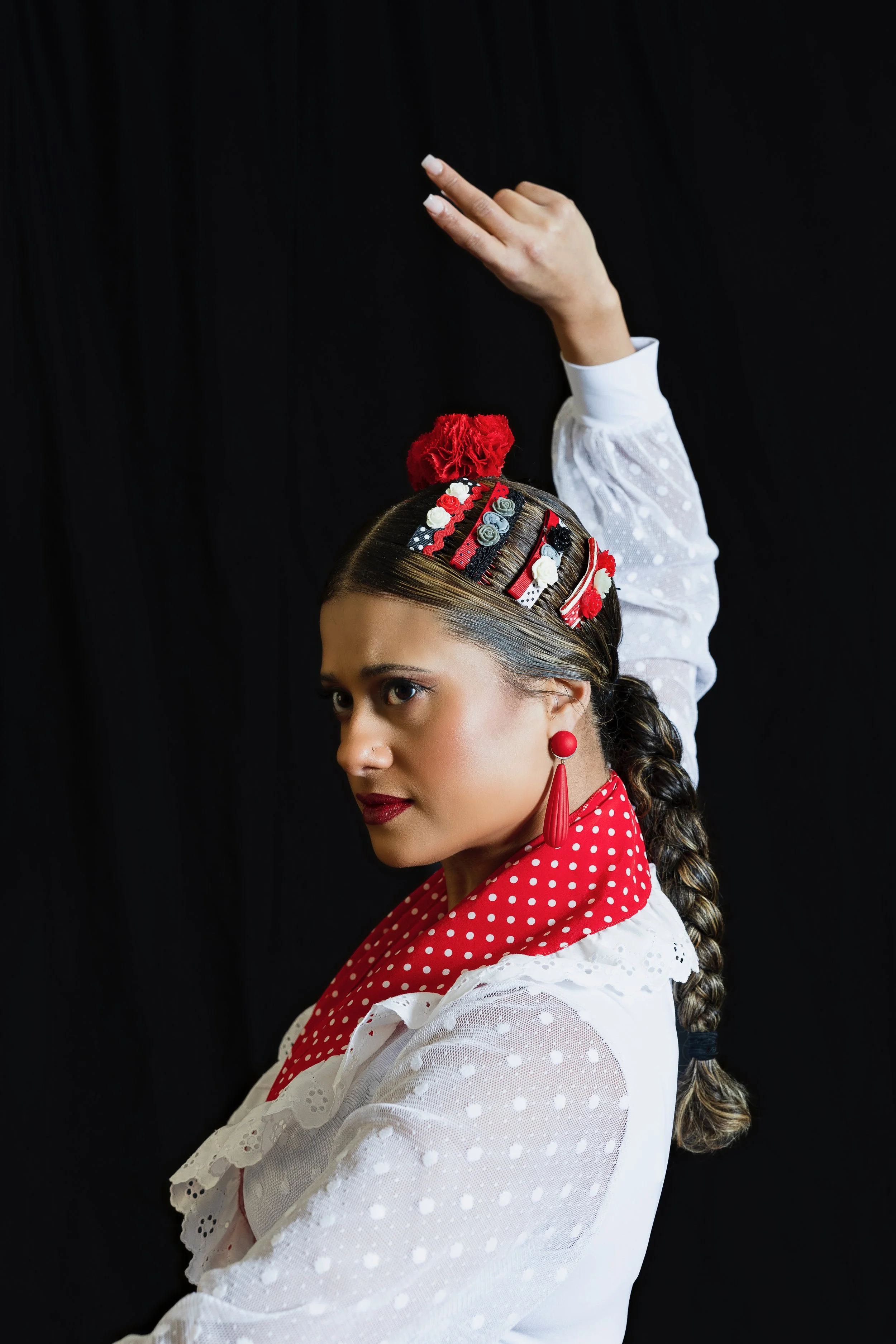
Nalanie Molina
DANCER
-

María Luján
DANCER
-

Marina Claudio
DANCER
-

Cecilia Dávila
DANCER
-

Lina Bulovaite
DANCER
-
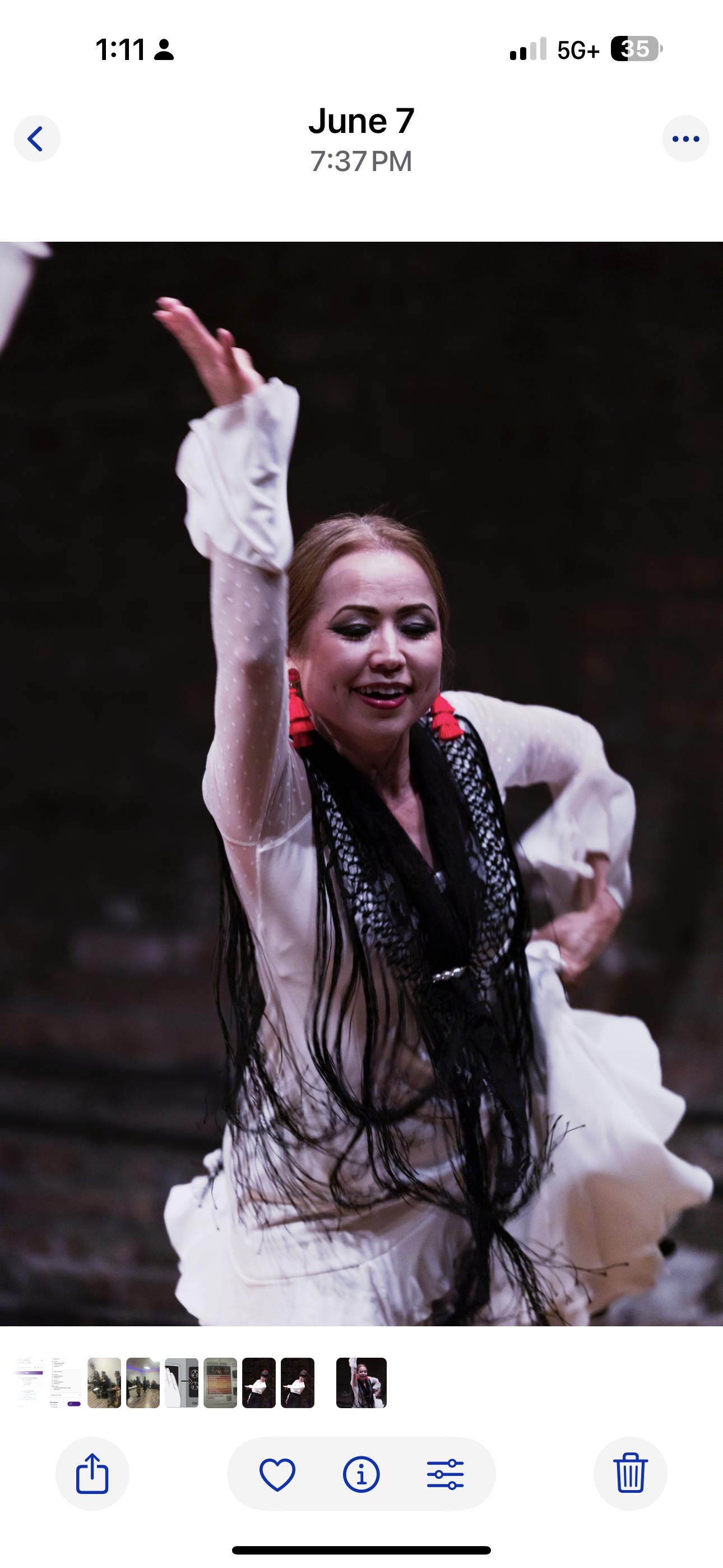
Rie Katayama
DANCER
-
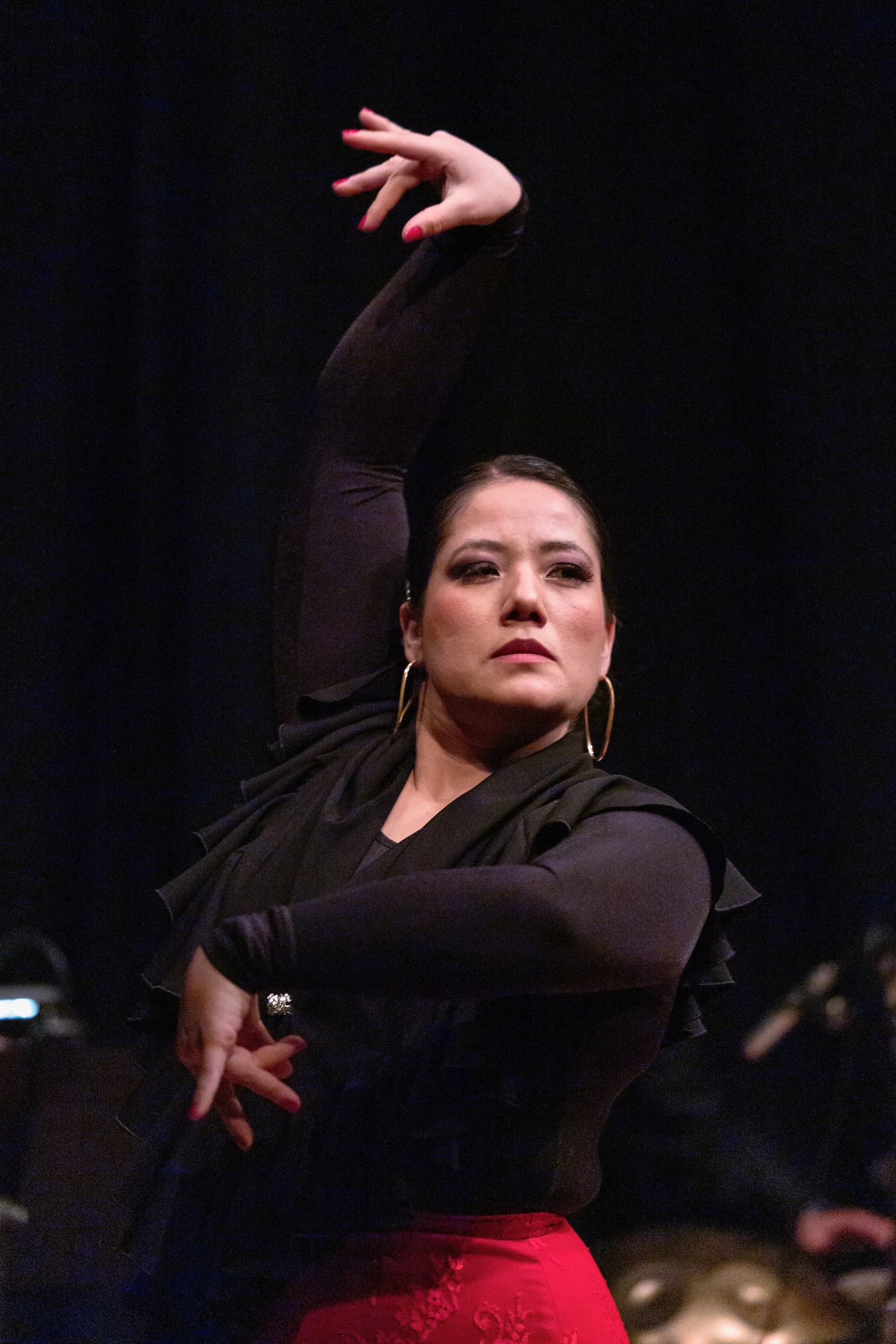
Alejandra García
DANCER
-

Maida Nunez
DANCER
Flamenco Palos Featured in Our Program
SEGUIRIYAS
Intense, solemn, deeply emotional — among the most serious of flamenco palos.
Compás / Rhythm: 12-beat cycle with distinctive accents (often felt on beats 3, 6, 8, 10, 12).
Region / Origin: Andalusia — especially Jerez and Cádiz.
The Seguiriya is often described as the quintessential cante jondo (deep song) of flamenco. Its mood is grave and expressive, singing of suffering, death, and longing.
Historically, it was sung a capella (“a palo seco”) or with minimal accompaniment, though today it may include guitar.
In dance, it calls for dignity, pause, and striking stillness interwoven with sharp accents—legs, feet, and upper-body work that reflect internal intensity rather than flamboyant display.
Dancer: Claudia Pizarro
Choreographer: Claudia Pizarro
Musicians: Javier Saume-Mazzei, Olivia Rojas, Andrés Vadin
ALEGRÍAS
Joyful, festive, and elegant.
Compás / Rhythm: 12-beat rhythm with accents on 12, 3, 6, 8, 10.
Region / Origin: Cádiz; part of the cantiñas family.
Bright and full of life, Alegrías are among the most iconic flamenco forms from Cádiz.
They celebrate joy and artistry, showcasing both musical and technical brilliance.
The structure usually includes sections such as salida (entrance), letras (verses), silencio (a slow, lyrical passage), escobilla (footwork), and bulerías de cierre (finale).
Dancers often use the bata de cola (long train dress) and mantón (shawl), combining grace and strength.
Despite its cheerful rhythm, Alegrías express both beauty and emotional depth — a dance of sophistication and light.
Dancers: Claudia Pizarro, Nalanie Molina, Mária Luján, Marina Claudio, Cecilia Dávila, Lina Bolovaite, Rie Katayama, Maida Nunez
Choreographer: Claudia Pizarro
Musicians: Javier Saume-Mazzei, Olivia Rojas, Andrés Vadin
TIENTOS
Reflective, sensual, and expressive.
Compás / Rhythm: 4/4 time — a slower, more serious relative of Tangos.
Region / Origin: Cádiz and wider Andalusia.
Tientos emerged in the late 19th century as a slowed-down, emotionally charged form of Tangos.
Its lyrics often explore themes of longing, seduction, or melancholy.
The dance emphasizes control and grounded movements, mixing subtle hip work, expressive arms, and measured footwork.
It often transitions into Tangos toward the end, bringing an uplifting change in tempo — symbolizing release after introspection.
Dancers: Nalanie Molina, Mária Luján, Alejandra García
Choreographer: Claudia Pizarro
Musicians: Javier Saume-Mazzei, Olivia Rojas, Andrés Vadin
SOLEÁ POR BULERÍA
Proud, dynamic, and powerful — a bridge between solemnity and festivity.
Compás / Rhythm: 12-beat rhythm shared with Soleá and Bulería.
Region / Origin: Andalusia.
Soleá por Bulería combines the depth of Soleá with the rhythmic vitality of Bulería, offering dancers space for both emotion and improvisation.
It begins with gravity and gradually builds intensity and speed, leading toward a vibrant close.
The palo symbolizes transformation — moving from inner strength to outward expression.
Its dynamic shifts make it a favorite for dancers who wish to display mastery of compás and expressive range.
Dancer: Claudia Pizarro
Choreographer: Claudia Pizarro
Musicians: Javier Saume-Mazzei, Olivia Rojas, Andrés Vadin
SEVILLANAS
Festive, folkloric, and communal.
Compás / Rhythm: 3/4 rhythm; danced in four structured sections.
Region / Origin: Seville and Huelva, Andalusia.
Sevillanas are among Spain’s best-known dances, performed in fairs, festivals, and social gatherings.
Rooted in Andalusian folk tradition, they blend joy, rhythm, and storytelling through graceful choreography.
Though often danced in pairs, Sevillanas are accessible to everyone and symbolize community and celebration.
In flamenco shows, they offer a moment of connection between performers and audience — a reminder that flamenco lives both on stage and in everyday life.
Dancers: Claudia Pizarro, Nalanie Molina, Mária Luján, Marina Claudio, Cecilia Dávila, Lina Bolovaite, Rie Katayama, Maida Nunez, Alejandra García
Choreographer: Traditional
Musicians: Javier Saume-Mazzei, Olivia Rojas, Andrés Vadin
BULERÍAS - FIN DE FIESTA
Joyous, spontaneous, and exuberant.
Compás / Rhythm: 12-beat rhythm at a fast tempo; accents commonly felt on 12, 3, 6, 8, 10.
Region / Origin: Jerez de la Frontera, Andalusia.
Bulerías are flamenco’s ultimate expression of celebration and improvisation.
Traditionally used as the Fin de Fiesta (end of the show), it invites all artists — singers, guitarists, dancers — to join in.
Each performer takes a turn (patá por bulerías), improvising steps or verses while the group supports with palmas (handclapping) and jaleos (encouragements).
The result is spontaneous, rhythmic, and alive — a joyful conversation between rhythm, art, and community.
Ending the night with Bulerías brings the essence of flamenco full circle: freedom, passion, and shared energy.
Thank You for Supporting Us Tonight!
We hope to see you again on December 20th for our ¡Navidad Flamenca! — a festive celebration of flamenco, rhythm, and community.